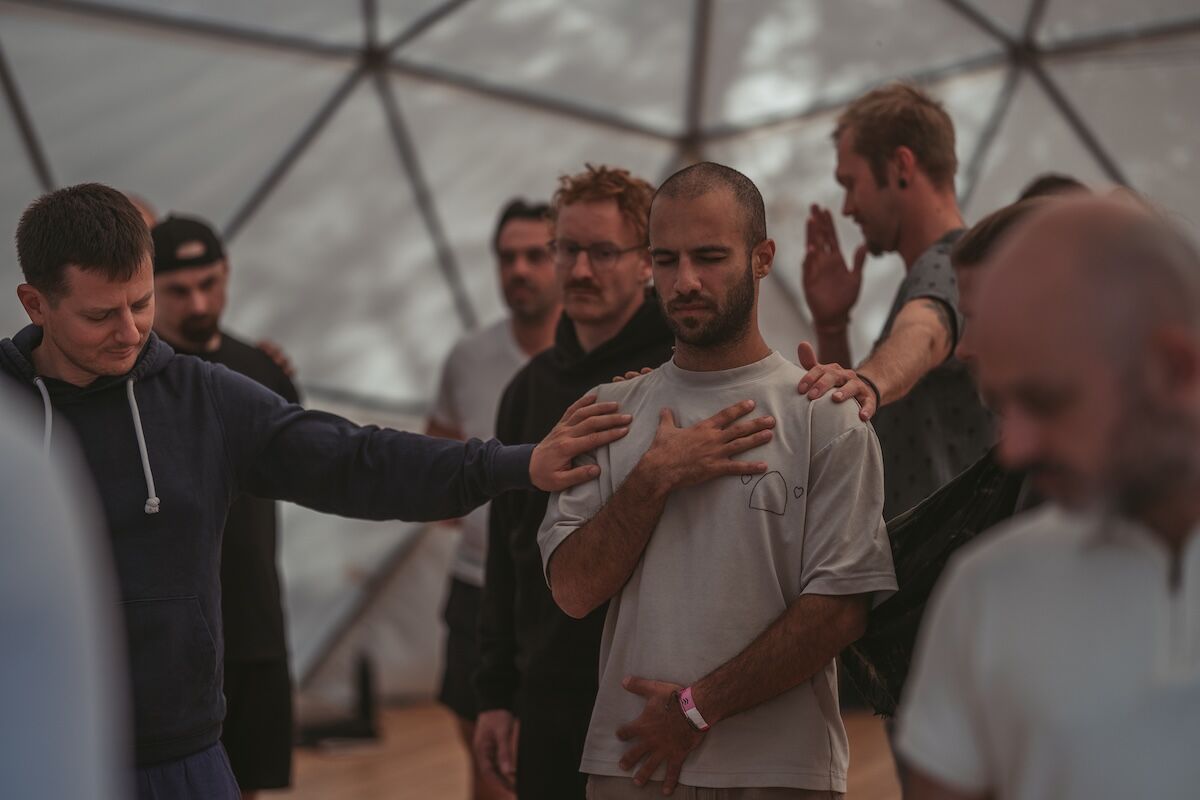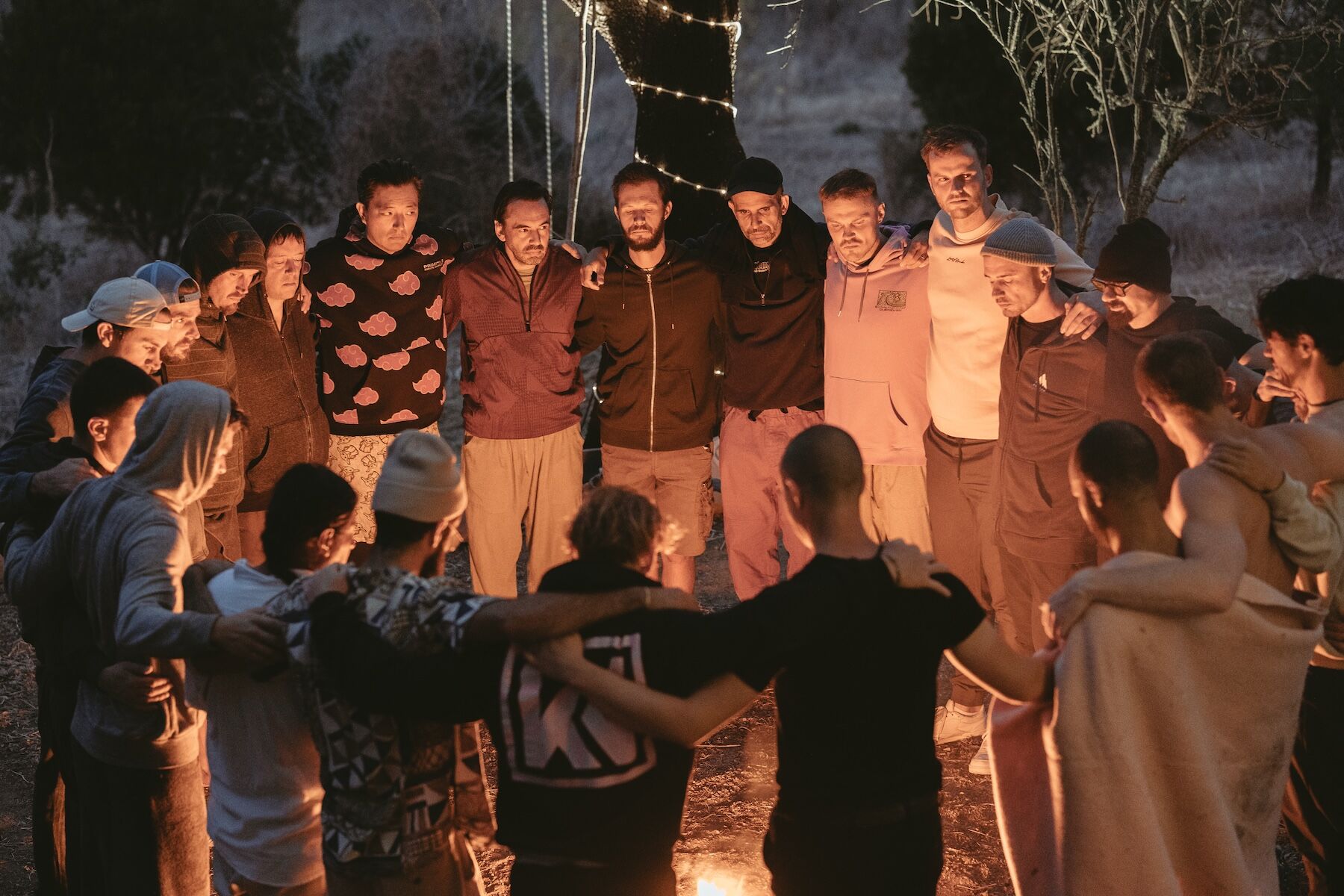


Psychedelic therapy is powerful, existential work. And like anything powerful, it’s not for everyone.
In recent years, the conversation around psychedelics has exploded. Psilocybin ceremonies, MDMA-assisted therapy, ayahuasca retreats… It’s easy to get swept up in the momentum—to feel like you should try it because others are, or because you’re searching for the next breakthrough, the next fix, the next way out.
But real psychedelic therapy doesn’t work that way. It’s not something you do because it’s trending. It’s something you step into when something inside you says: I can’t keep living like this. When you’ve had enough of the patterns, the pressure, the pain. When you know it’s time to face what’s been buried, and to reclaim the parts of you that have been waiting beneath it all.
This work takes courage. Not the kind of bravado that charges ahead without fear, but the quiet strength to turn inward. To feel what you haven’t felt. To meet the past with honesty, and the future with intention.
It’s not about being fearless. It’s about being willing. Willing to meet and embrace all aspects of yourself.
This post isn’t here to convince you. It’s here to help you feel into the question: Is psychedelic therapy right for me?
Because if you’re even asking… something is already stirring. Let’s explore the signs that you might be ready, and the ones that suggest it’s okay to pause, take a breath, and return when the time is right.
This is where it begins for most people—not with a psychedelic interest, but with a deep inner knowing: Something has to change.
You may not be in crisis. But you’ve outgrown the old strategies. The constant doing. People pleasing. Controlling everything. Pushing past your limits.
Saying yes when you mean no. Filling space with noise instead of presence.
You’ve built a life that looks successful, but something in it no longer fits.
Perhaps your usual tools are no longer effective. Your nootropic mix just keeps you afloat. Productivity hacks leave you exhausted. Even therapy starts to feel like circling the same old story.
You might notice it in subtle ways: you feel numb in spaces that used to excite you. Your intimate relationships are failing. You’re showing up in all “the right ways”, but inside, something feels missing.
No matter how much you tweak, optimise, or reframe… it still doesn’t land. Something in you knows: “The version that got me here, won’t take me further.”
I often work with high performers and successful leaders who’ve reached this exact point. They’ve achieved a lot, done talk therapy, tried coaching, and gone on retreats. But underneath it all, there’s still a quiet ache. A disconnection. A sense of something missing.
This is what I call the threshold moment. It’s not always dramatic. Often it’s initiated by a breakup. A death. A burnout. Other times, it’s a soft but persistent whisper: “This isn’t it. There’s more.”
If you’re standing at that edge, not sure what’s next, but certain you can’t go back, psychedelic therapy might be the invitation your soul has been waiting for.
Psychedelic therapy isn’t always blissful. Sometimes it’s breathtaking. Other times, it’s brutal honesty wrapped in the truth your mind tried to outrun.
You don’t need to be fearless to begin this work. But you do need to be willing to feel.
That includes the beautiful—love, joy, connection. But also the uncomfortable—grief, rage, shame, fear.
The medicine brings what’s ready to be seen and felt. That doesn’t mean it will be easy. But it is necessary.
My dad once said, after an intense 5-MeO-DMT journey: “Why do you have to go through the asshole twice? Once when it happens—and then again when you have to free yourself from it.” He said it with laughter, relief, and a twinkle in his eye. But there was truth in it.
In that journey, he revisited a traumatic experience from when he was five years old. It wasn’t gentle. But it was freeing.
This is part of the path, and the only way is through.
I tell the people I work with this all the time: You don’t get free by avoiding the pain—you get free by feeling it.
And what’s wild is how the psyche will often recreate the conditions of the original wound, especially in intimate relationships, as a way to resolve what still lives inside.
But the healing doesn’t happen out there. Not in control. Not in performance. Not in someone else’s change.
The healing happens when we turn inward. Feel it fully. And finally set it free.
This is what I mean by psychedelic therapy readiness. It’s not about being perfect or healed. It’s about being open.
Open to meeting what you’ve been avoiding. Open to listening instead of fixing. Open to feeling—fully, honestly, without bypass.
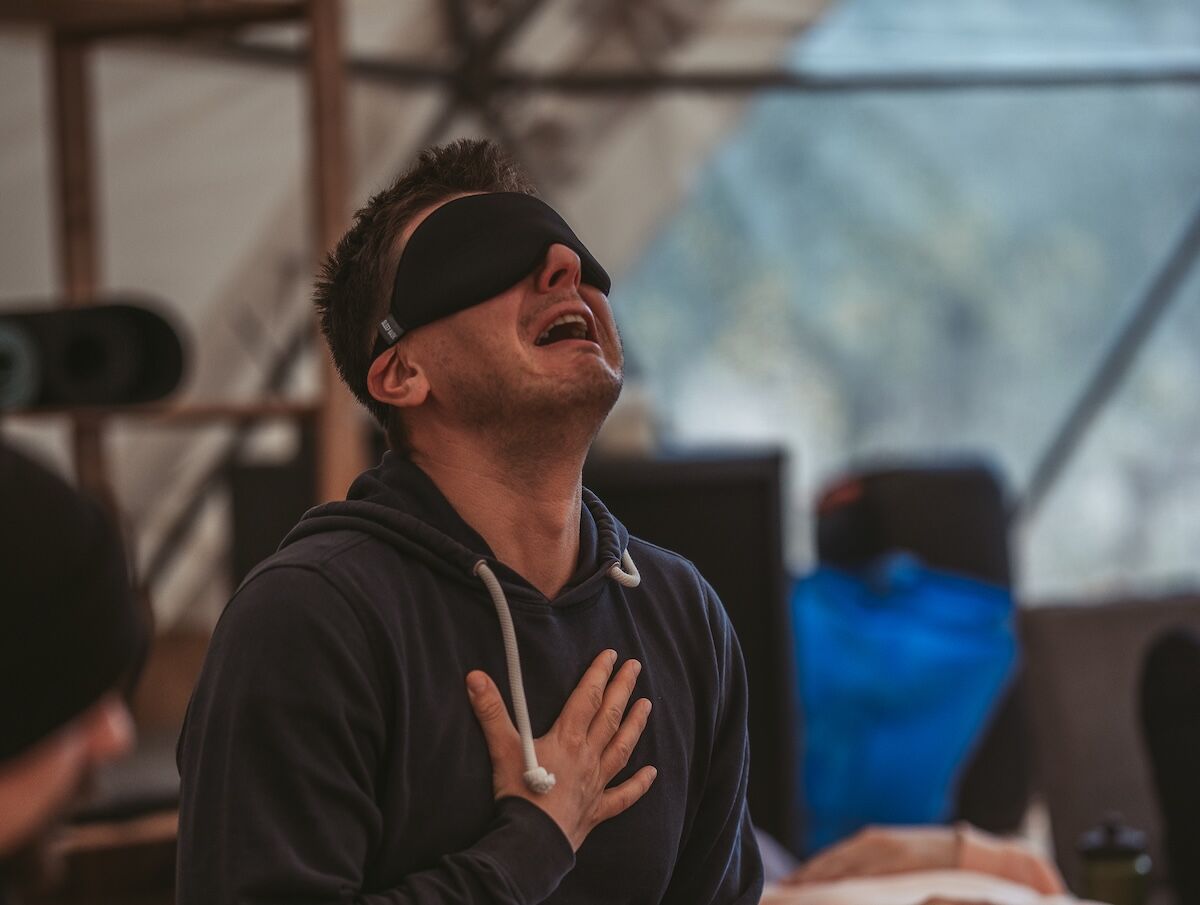
You might cry for the first time in years. You might feel a forgotten memory rise like a wave. You might tremble, laugh, or fall into stillness.
All of it is welcome. All of you is welcome.
And if something in you is saying: “I don’t know what I’ll face, but I’m okay to surrender to the unknown…” You’re more ready than you think.
Many of the people I work with are high-functioning.
They’ve learned how to perform at a very high level. They know how to succeed, lead, and hold it all together.
They know how to stay composed, stay in control, and stay productive.
But beneath all of that… is someone who’s exhausted.
Someone who wants to stop managing and start feeling.
Someone who’s ready to stop performing and start being.
Psychedelic therapy doesn’t care about your résumé.
It doesn’t care about what you’ve build or how much money you’ve made.
It invites you to meet the unguarded, unpolished, fully human you.
This work gently (and sometimes forcefully) peels back the layers:
And underneath, it helps you find the version of you that’s real.
Messy, beautiful, raw, honest.
If you feel the quiet exhaustion of holding it all together…
If you long to let go and just be yourself—maybe for the first time ever…
This work is calling you deeper.
Not to become someone else.
But to remember who you are, without the masks..
There’s a moment in the healing journey when we stop asking,
“How do I fix this?”
and start asking,
“What is this trying to teach me?”
That’s the shift.
From symptom management to soul-nourishing meaning.
From coping to full aliveness.
Many of my clients have already done talk therapy. They’ve worked on their mindset.
They’ve improved their habits. And still, something deeper remains untouched.
They’re not just seeking relief from anxiety or burnout.
They’re seeking understanding, clarity, and inner peace.
A reconnection to purpose. To truth. To something bigger than themselves.
This is one of the clearest signs that psychedelic therapy might be aligned.
Because this work doesn’t numb the pain—it often brings you face-to-face with it.
Not to punish you, but to liberate you from it, and reveal the gold underneath.
To show you the messages, memories, and unmet needs that those symptoms were trying to express.
If you’re longing for more than tools—if you want insight, integration, and inner alignment—you may already be ready.
Because this work is less about solving the problem…
And more about becoming the person who can meet all life has to offer with unwavering presence, gratitude, and grace.
In a world that moves fast and markets everything, psychedelics are having a moment.
Retreats are popping up everywhere. Instagram is full of ceremonial selfies.
And while visibility can be good, it also comes with noise, hype, and superficiality.
Psychedelic therapy is not a trend.
It’s not a shortcut.
It’s not something you do just to have an experience.
It’s deeply meaningful sacred work.
Whether you’re working with psilocybin, MDMA, or another medicine, these are ancient allies. They require reverence, honesty, and respect for the process, the guides, and yourself.
One of the strongest signs of readiness is this simple knowing:
This is not something I want to rush, take lightly, or reduce it to a goal to accomplish..
You don’t have to be spiritual or believe in anything specific.
But if you feel a sense of awe around this work.
If something in you whispers, “This is important”
Then you’re likely approaching the path with the right spirit.
Because psychedelic therapy isn’t about the peak.
It’s about the integration.
It’s about how you live, love, and lead afterwards.
And that starts with how you begin.
Not every “no” is permanent.
Sometimes it’s just not yet.
And that’s okay.
Psychedelic therapy is powerful, and with that power comes responsibility. Part of true readiness is knowing when to pause, slow down, or lay a stronger foundation before stepping in.
Here are some signs you might want to wait or seek additional support first:
If you’re navigating a recent trauma, a major breakup, deep instability, or suicidal thoughts, this might not be the moment to open more. Psychedelic therapy can amplify what’s already present, so if your nervous system is already overloaded, the experience may overwhelm rather than support you.
This work requires a solid foundation. At minimum, you should have either a stable home environment, enough financial support to meet your basic needs, or a trusted support network, friends, family, or a therapist, who can hold space during your process.
While psychedelics show promise for many mental health conditions, those with a personal or family history of psychosis, schizophrenia, or untreated bipolar disorder should be extremely cautious. These states can be destabilised further by psychedelics. A skilled therapist or psychiatrist can help assess your readiness.
If you’re hoping one session will magically erase years of pain, bring instant purpose, or “cure” your burnout, you may want to explore other routes first. Psychedelics can open the door—but you still have to walk through it. The real work often doesn’t happen during the session. It happens afterward, in normal waking consciousness. In your relationships. Your routines. Your choices. The integration is the real journey.
This work doesn’t end when the ceremony ends. If you don’t have someone to talk to—whether a therapist, coach, mentor, or safe community—post-journey integration can be difficult and disorienting. You don’t have to have it all figured out, but some support structure is essential.
This isn’t about discouraging you.
It’s about making sure the soil is ready to receive the powerful seedlings of this work.
So that when you do say yes, it’s a full yes. One that feels right, grounded, and clear.
You don’t need to be certain.
You don’t need to be fearless.
You just need to be honest with yourself.
Psychedelic therapy isn’t for everyone. But if you’ve read this far, something in you is listening. Maybe it’s a quiet whisper. A sense of readiness that doesn’t come from the mind, but from somewhere deeper.
That whisper might come and go. It might take months, or even years, before it becomes a full-body yes. That’s okay.
This isn’t a race. It’s a gentle return.
To yourself.
To your body.
To the parts of you that are ready to come home.
If you’re standing at the edge of the threshold, wondering whether to step through—know that you’re not alone. I work with people every day who once sat where you are now. Unsure. Curious. Quietly ready.
And when you are ready, I’d be honoured to walk beside you.
→ Want to explore this more personally? Book a 1:1 Clarity Call with me.
→ Still unsure? Read: How to Prepare for a Psychedelic Journey
→ Already feeling ready? Explore Psychedelic Therapy & Integration Work
Read the latest insights and stories on the power of psychedelic-assisted therapy and holistic personal development for leaders and entrepreneurs.